Likes
The results of the 2024 Guangdong Provincial Science and Technology Award were officially announced on November 20, with South China Normal University receiving a total of 13 awards for both research achievements and individuals. It marks a significant breakthrough in both the total number of awards and first prizes achievements compared with previous years.
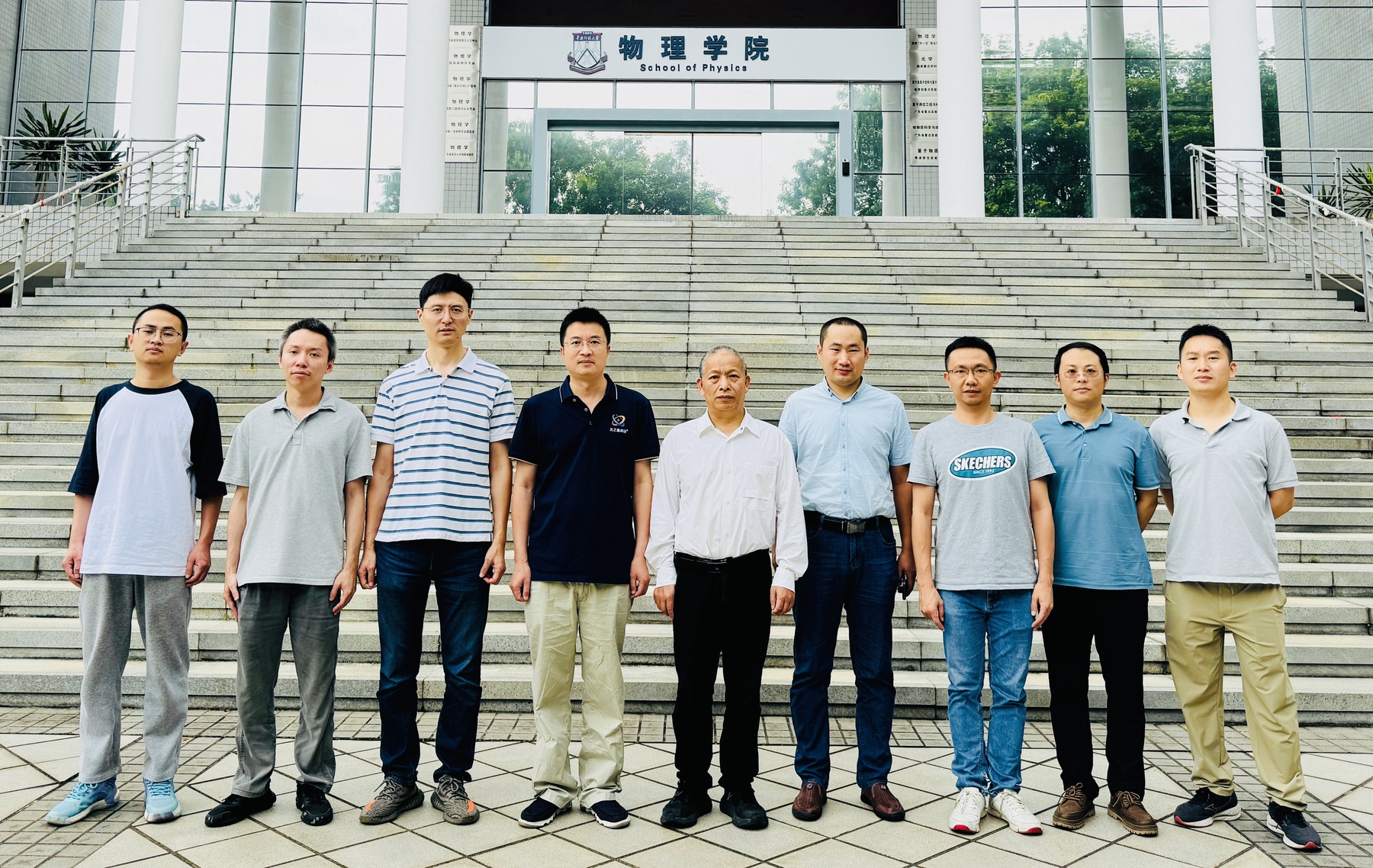
A group photo of prize-winners.
As the primary research unit at which the research project was undertaken and completed, SCNU won six awards, including one first prize, three second prizes, one Youth Science and Technology Innovation Award, and one Science and Technology Cooperation Award. In addition, the university contributed to seven scientific and technological achievements as a participating unit.
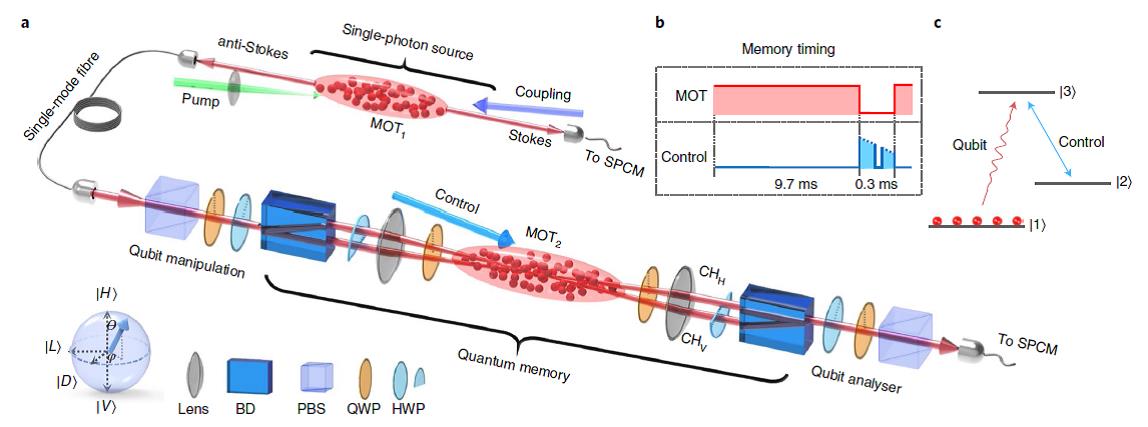
In terms of cutting-edge frontier technologies, the project "Research on Quantum Control Based on Cold Atoms" led by Professor Zhu Shiliang's team from the School of Physics won the First Prize of the Provincial Natural Science Award. This marks the second time SCNU has secured this top provincial honor since 2020.
The project successfully constructed a narrow linewidth single-photon source, developed a two-dimensional magneto-optical trap, a dark-line magneto-optical trap and precise state preparation technologies, and optimized these technologies synergistically. It increased the light-atom coupling strength of the quantum storage system by two orders of magnitude, ultimately achieving a storage efficiency of over 85% for single-photon polarization encoding and breaking the quantum no-cloning limit of universal quantum memory for the first time. The findings were published as a cover paper in Nature Photonics and other journals.
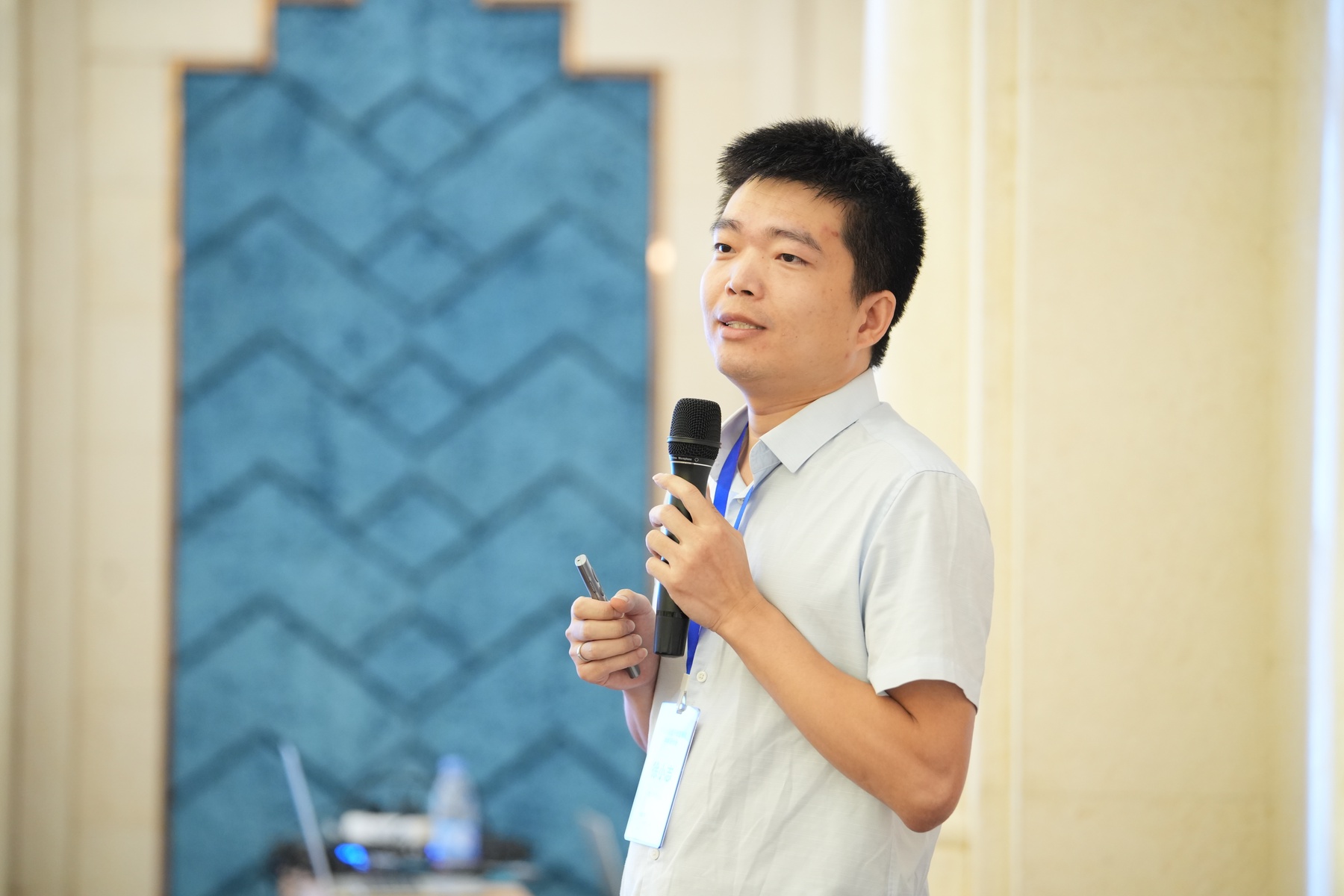
Professor Xu Xiaozhi, winner of the Youth Science and Technology Innovation Award.
In terms of young scientist innovation, Professor Xu Xiaozhi won the Youth Science and Technology Innovation Award, marking the first breakthrough for SCNU since the award's establishment in 2022. Professor Xu has long been committed to research in low-dimensional materials and surface physics. He has published 30 papers as the (co-) corresponding author or first author, including 2 in Nature and 6 in Nature sub-journals, and holds 25 invention patents.
Xu's previous honors include being named a Top 10 Rising Stars of Science and Technology in China (2019) and receiving the May Fourth Medal for Youth in Guangdong province. His core technological achievements have earned him the Gold Medal at the International Exhibition of Inventions in Geneva (2024), the First Prize of the Innovation Award of the Invention and Entrepreneurship Award of the China Association of Inventions (2024), and were listed among China's Major Technological Advances (2020) and the Top 10 Research Advances in China's Semiconductor Industry ( 2020).
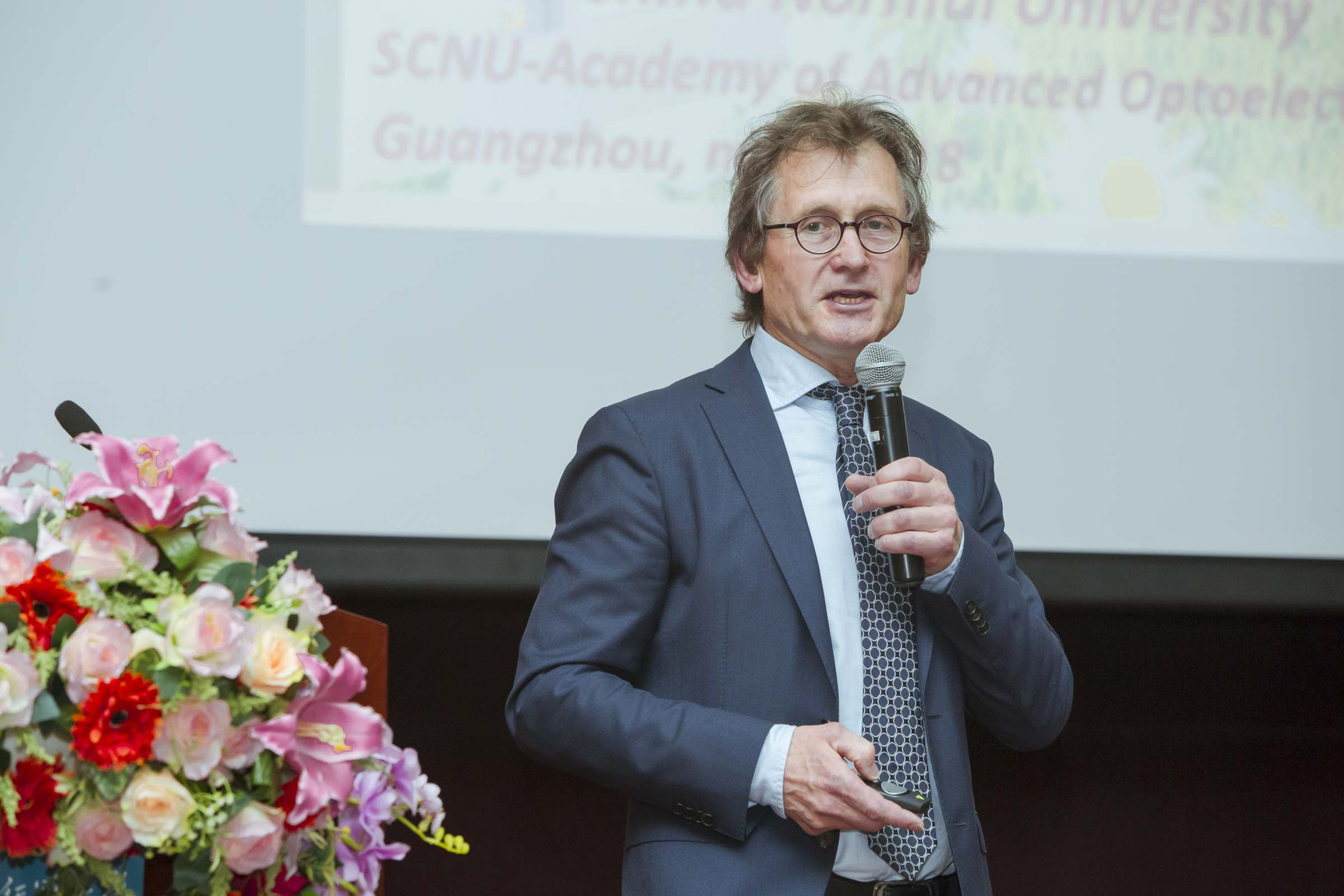
Academician Feringa delivers a lecture.
In terms of international cooperation, Academician Professor Ben Feringa, SCNU's specially appointed professor and the laureate of the 2016 Nobel Prize in Chemistry, won the Science and Technology Cooperation Award. Since his appointment in 2018, professor Feringa has visited Guangzhou many times, inspiring young minds through lectures at various educational institutions. He fully exerted his international influence to vigorously promote scientific and technological cooperation between Europe — especially the Netherlands — and Guangdong province, contributing to basic education and key technological breakthroughs. Professor Feringa has also provided valuable advice on Guangdong's sci-tech development. Notably, with SCNU's nomination, he was honored with the Chinese Government Friendship Award in 2022.
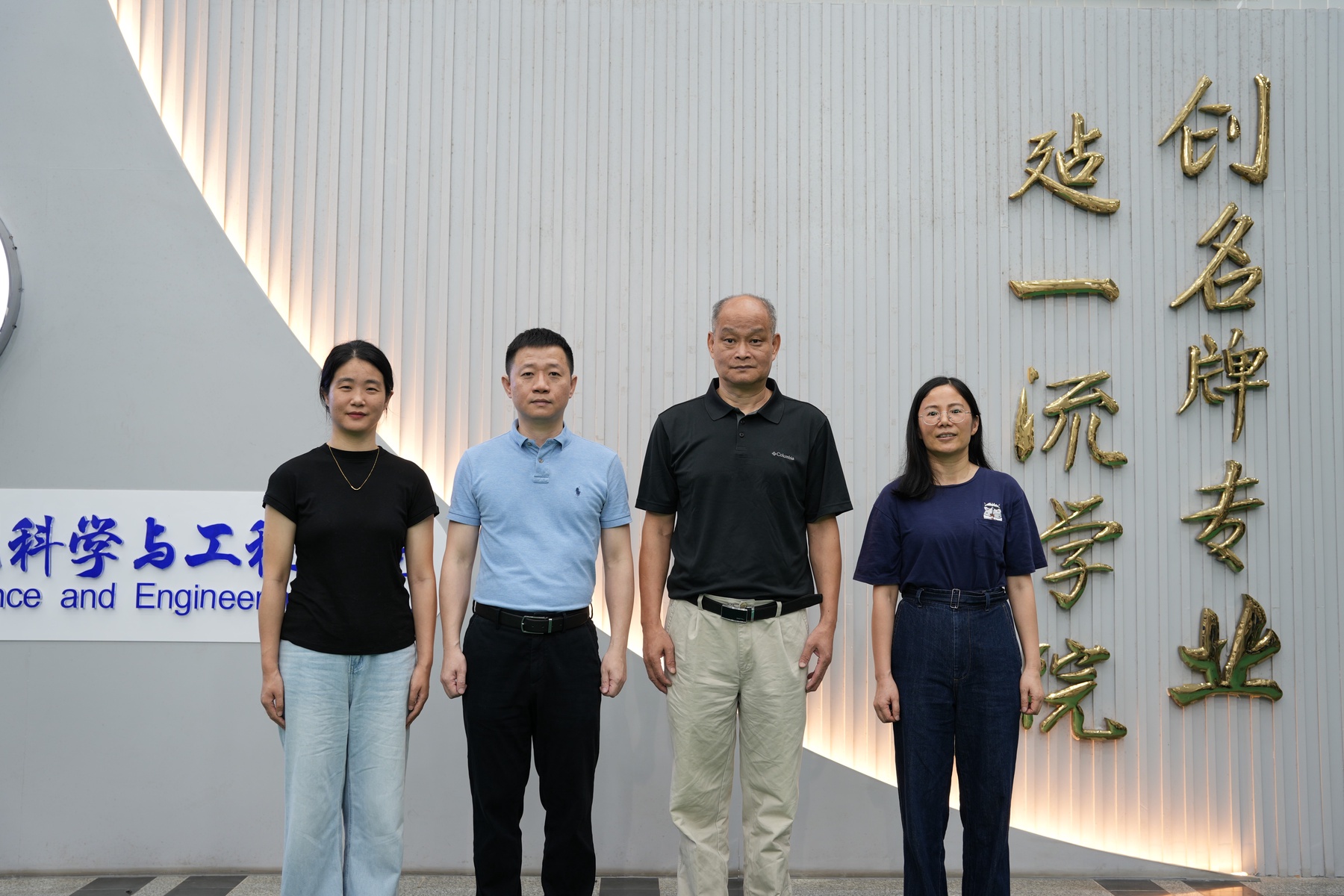
A group photo of Professor Luo Zhichao's team.
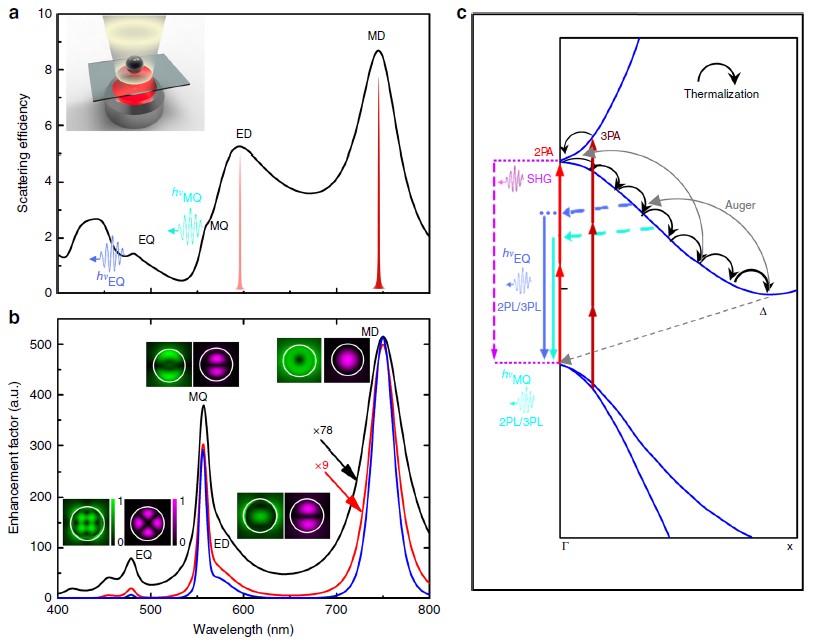
In terms of scientific and technological innovation, Professor Luo Zhichao's team from the School of Optoelectronic Science and Engineering won the Second Prize of the Provincial Natural Science Award for their project "Nonlinear Mechanism and Regulation of Ultrashort Pulse Fiber Lasers".
Focusing on the scientific question "How to effectively control the nonlinear behavior of ultrashort pulses to break the limits of laser performance", the team discovered a new mechanism underlying the transient unstable behavior of ultrafast fiber lasers, offering a new basis for improving laser reliability. They also proposed the idea of deep integration between nonlinear pulse modulation and laser performance, paving a new path for breaking the bottlenecks in key performance parameters of ultrafast lasers. Related findings, published in over 106 papers in authoritative journals like Laser & Photonics Reviews and Optics Letters, have been cited over 4,000 times.
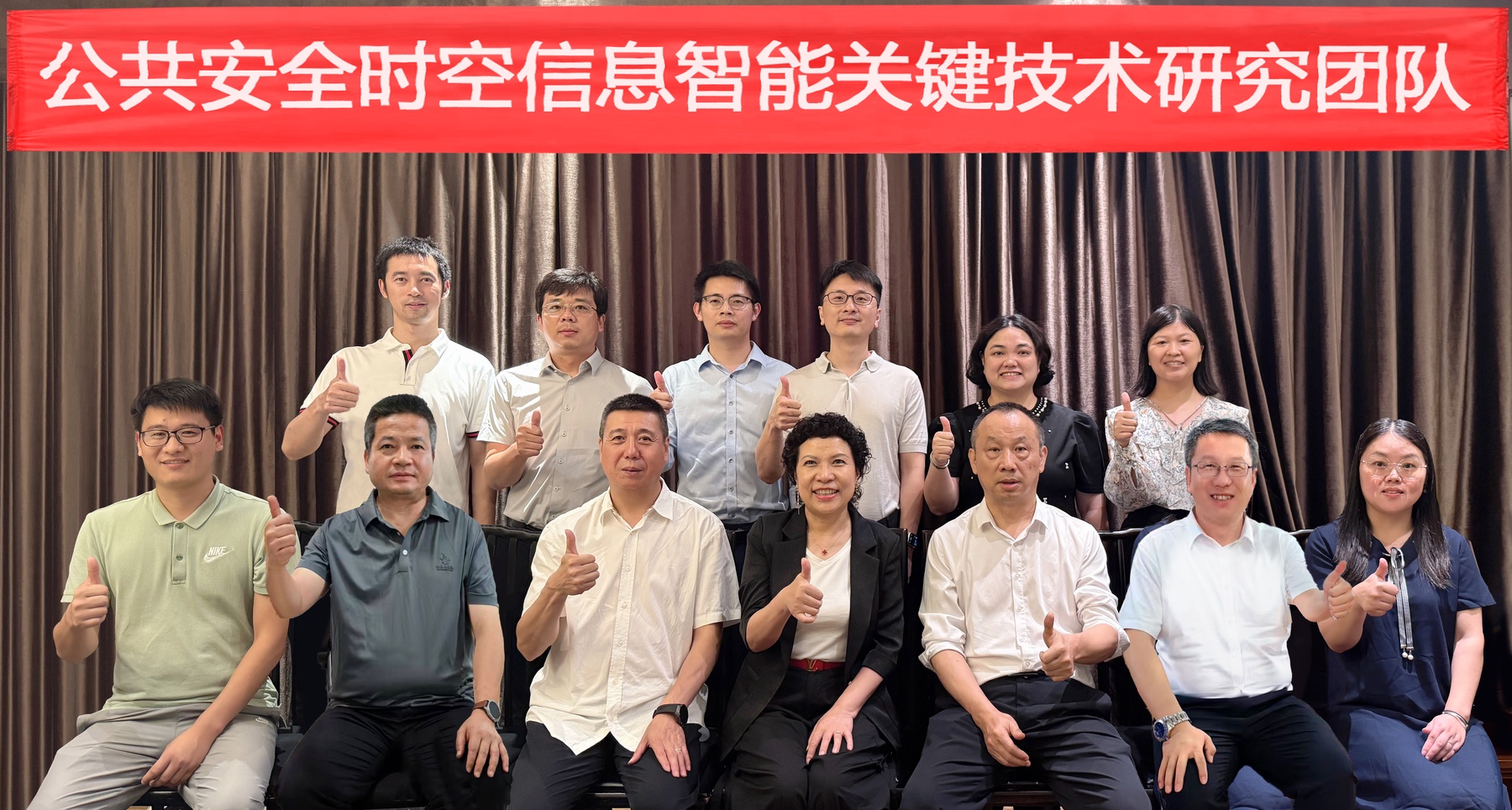
A group photo of Professor Li Weihong's team.
In terms of artificial intelligence empowerment, Professor Li Weihong's team from the School of Geography won the Second Prize of the Provincial Science and Technology Progress Award for their project "Key Technologies and Applications of the Intelligent Service Platform for Spatio-temporal Information in Public Safety".
To support the Peaceful China Initiative, the project developed models for systematic public safety spatio-temporal analysis, optimized spatio-temporal intelligence by means of video technology, and independently developed an intelligent service platform for spatio-temporal information in public safety. It also completed the overall upgrade of "Knowledge-Based Cognition–Intelligent Perception–Digital-Intelligent Disposal" oriented towards public safety. Related achievements have been applied in the Guangdong Provincial Public Security Department and 21 municipal public security bureaus, and promoted by the Ministry of Public Security to nine provinces (autonomous regions) across China, achieving remarkable social and economic benefits.
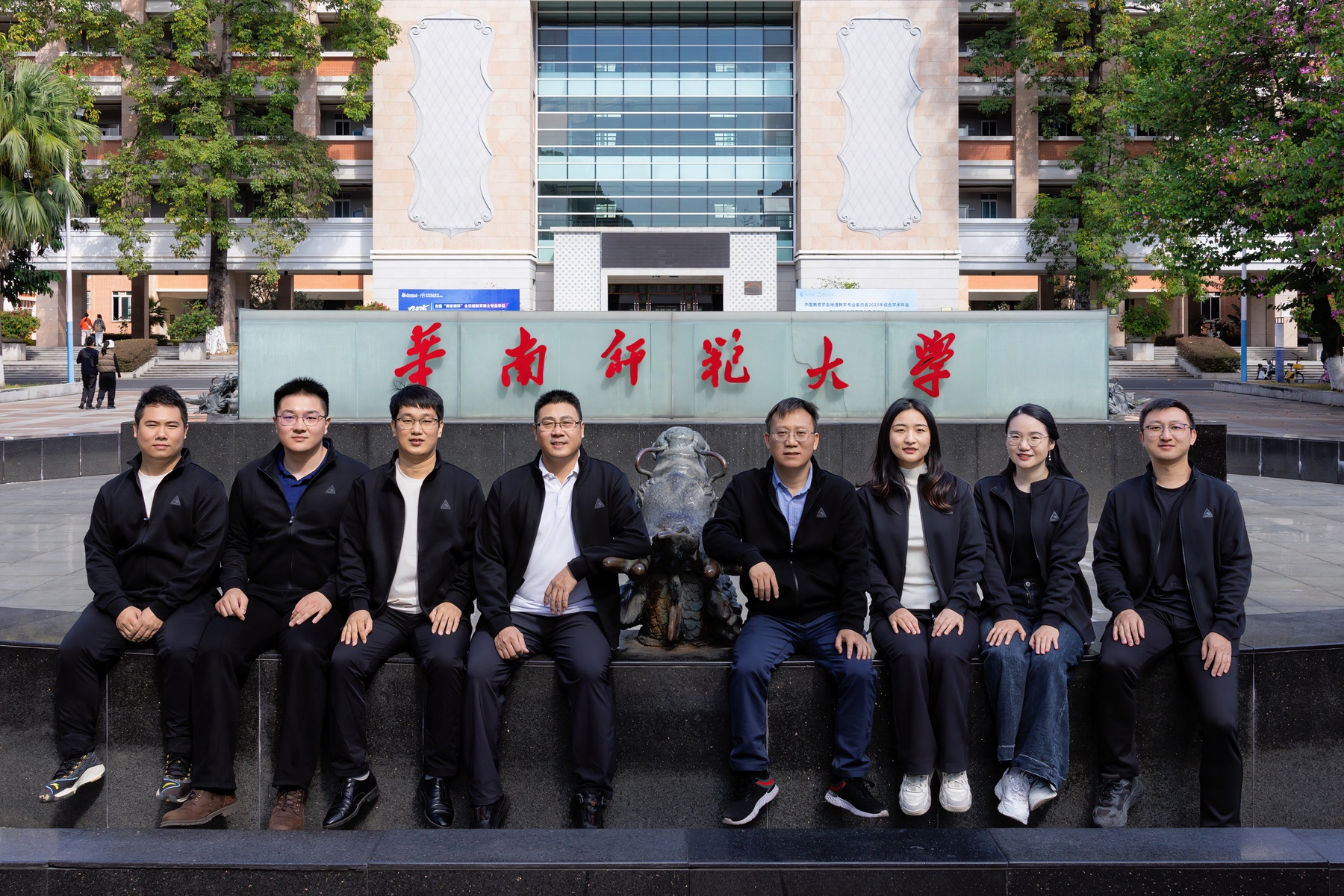
A group photo of Dr Zhao Lingzhi's team.
In terms of industrial upgrading, Dr Zhao Lingzhi's team of the School of Electronics and Information Engineering (School of Microelectronics) won the Second Prize of the Science and Technology Progress Award for the project "Complete Set of Technologies for Carbon Composite Modification of High-Capacity Anode Materials and Its Industrialization".
The team has systematically studied the production processes and modification technologies for high-capacity silicon-carbon anode materials after more than a decade of dedicated research. They overcame common technical barriers in the practical application of traditional silicon-carbon anodes, and met the urgent industrial demand for high-performance silicon-carbon anode products. The project has yielded 42 authorized patents (including 37 invention patents) and 40 published papers, with its achievements implemented in several enterprises.
The Guangdong Provincial Science and Technology Award is the highest honor in the province's science and technology sector, representing the top level of innovation in Guangdong. This year, a total of 227 projects was presented with the 2024 Guangdong Provincial Science and Technology Award, including 2 recipients of the Outstanding Contribution Awards, 32 Natural Science Awards, 16 Technology Invention Awards, 127 Science and Technology Progress Awards, 5 recipients of the Science and Technology Cooperation Awards, 24 recipients of the Youth Science and Technology Innovation Awards, and 21 Science and Technology Achievement Promotion Awards.
Source from Office of Scientific Research
Translated by Zhong Yiting, Tang Ying
Proofread by Edwin Baak
Edited by Li Jianru
What to read next: